
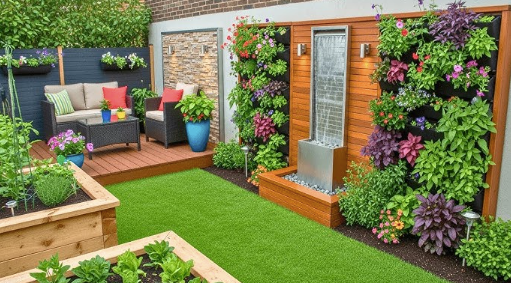
A clear budget lays the groundwork for backyard improvements. Start with a realistic garden-to-yench plan that lists priorities and tracks costs, avoiding debt. For small budgets, focus on drainage, mulch, and modular beds that expand with space. Midrange projects should emphasize durable flooring, efficient lighting, and versatile seating. Smart planting favors natives and scalable irrigation. Practical designs pair weatherproof surfaces with adaptable outdoor rooms, balancing cost, usability, and future growth—then decide what to tackle next.
Set a Realistic Garden-to-Yench Budget
A realistic garden-to-yench budget starts with a clear tally of priorities, costs, and timelines. The approach emphasizes practical planning, not excess, and avoids debt accumulation. Budget planning identifies essential needs, while budget tracking monitors fluctuations and savings. The detached perspective favors measurable targets, transparent decisions, and accountability, enabling freedom to allocate funds strategically and adapt to changing conditions without compromising core goals.
High-Impact Upgrades on a Shoestring
Could smart, low-cost upgrades deliver big impact in a small yard? Yes.
This section outlines high-impact, budget-friendly changes that maximize space and usability without overspending.
Focus on practical moves: improve drainage with simple solutions and plan mulch options for weed control and soil health.
Creative drainage methods prevent water issues, while targeted mulching enhances soil moisture, reduces maintenance, and promotes a freer, adaptable outdoor area.
Midrange Flooring, Lighting, and Seating Ideas
Midrange flooring, lighting, and seating ideas build on practical, budget-conscious upgrades by balancing durability with style. The approach favors sturdy materials and modular options that adapt to evolving spaces.
midrange flooring, lighting; seating ideas emphasize easy maintenance, energy efficiency, and comfort. Durable surfaces, weatherproof fixtures, and versatile seating maximize use without excess cost, creating flexible outdoor rooms aligned with a freedom-seeking mindset.
Smart Planting Plans for Any Climate and Space
Smart planting plans adapt to any climate and space by prioritizing native selections, modular beds, and scalable irrigation. They emphasize climate smart planting through durable, low-maintenance choices and water-wise layouts.
Space efficient design relies on verticals and compact mixes, enabling easy expansion without clutter. The approach remains budget-conscious, practical, and freedom-loving, avoiding waste while maximizing yields, resilience, and adaptable landscape performance.
Frequently Asked Questions
How Do I Estimate Total Backyard Project Costs Quickly?
The answer: He estimates total backyard project costs quickly by compiling a basic scope, researching unit costs, and adding contingency, then noting estimated timing and common pitfalls to avoid while remaining budget-conscious and freedom-seeking in approach.
What Permits or Codes Affect Small Backyard Updates?
The answer: Permitting basics involve local approvals, weatherproofing, and setback checks; code compliance covers electrical, plumbing, and structure. They cost time and money, but planning ahead preserves budget and freedom to improvise safely within regulations.
See also: The Importance of Adapting to New Technology
Which Plants Thrive With Minimal Ongoing Care?
Low maintenance perennials thrive, drought tolerant shrubs endure, and hardy grasses require minimal care. The selection prioritizes resilience, reduces watering, and fits budgets, enabling autonomy; plants resist neglect, persist through seasons, and reward homeowners with dependable, economical beauty.
How Can I Maximize Privacy on a Tight Budget?
The approach prioritizes privacy screens using budget friendly fencing and drought tolerant planting. By layering inexpensive panels, fast-growing shrubs, and strategic placement, one crafts seclusion without excessive cost, enabling freedom while maintaining practicality and weather-resilient, low-maintenance gains.
What’s the Best Way to Choose Durable Outdoor Furniture?
The best way to choose durable outdoor furniture is to prioritize durable materials and weather resistance, evaluating construction and warranties. It remains budget-conscious and practical, guiding readers toward affordable options that offer long-term freedom from frequent replacement.
Conclusion
A clear budget and priorities guide every Backyard Improvement decision. The article shows even small changes—improved drainage, mulch, and modular beds—can dramatically boost soil health and usability without debt. An interesting stat underscores the payoff: native plantings and scalable irrigation can reduce water use by up to 30% over five years, while durable, weatherproof surfaces lower long-term maintenance costs. With practical, budget-conscious choices, readers can create functional outdoor rooms that grow with their space and needs.
